A UNESCO World Heritage Site unlike anywhere else on Earth, this remote Indonesian archipelago shelters the world's largest lizard alongside some of the planet's most dazzling coral ecosystems. Whether you're tracking dragons through volcanic scrubland or drifting above manta rays, every moment here feels genuinely wild.
Featured Tour
The Exclusive Early Bird Komodo Tour: Beat the Crowds by Speed Boat is designed for travelers who want to see the best of the park before the rush begins. Your day starts with a hotel pickup in Labuan Bajo and a transfer to the jetty, where you board one of the first speedboats to depart. The itinerary covers six iconic destinations — Padar Island's panoramic ridgeline, Komodo Island's legendary dragons, the rosy sands of Pink Beach, Taka Makassar's coral gardens, Manta Point's open-water rays, and the serene reef garden of Kanawa Island. By leaving early, you enjoy quieter trails, better snorkeling visibility, and more personal space at every stop, returning to Labuan Bajo in the late afternoon with memories that last a lifetime.
About the Destination
Straddling the border of Sumbawa and Flores in eastern Indonesia, this remote UNESCO reserve is reached via the gateway town of Labuan Bajo. Its volcanic islands rise sharply from the Sape Strait, creating a seascape as dramatic above the waterline as it is below.
Covering roughly 1,817 square kilometres — nearly two-thirds of which is ocean — Komodo National Park sits within the Wallacea biogeographic zone, a transition belt between Asian and Australian wildlife realms. The three principal islands are Komodo, Rinca, and Padar, ringed by 26 smaller islets. Rugged, sun-scorched savannahs and patches of tropical forest cloak the hills, while below the surface, powerful currents driven by tidal flows between the Indian Ocean and the Flores Sea create an underwater feeding frenzy that sustains astonishing marine biodiversity.
The park was established in 1980, initially to protect the Komodo dragon — the world's largest living lizard — after alarming population declines earlier in the twentieth century. Within a decade, conservationists recognised that the surrounding marine environment was equally extraordinary, and the reserve's mandate expanded accordingly. UNESCO inscribed it as a World Heritage Site in 1991, and it later earned designation as a Man and Biosphere Reserve. Today it is consistently ranked among Asia's most beautiful natural destinations and was famously named one of the New Seven Wonders of Nature.
Visitors arriving by boat are immediately struck by the silence — no roads, no urban sprawl, just wind, bird calls, and the distant lap of the sea. Ranger-guided walks bring you within metres of Komodo dragons basking in the open, while komodo national park snorkeling and diving trips reveal walls of sea fans, shoals of bumphead parrotfish, and the slow, balletic flight of oceanic manta rays. Evenings on a liveaboard under an ink-dark sky, miles from any light pollution, have a way of resetting your entire perspective on the natural world.
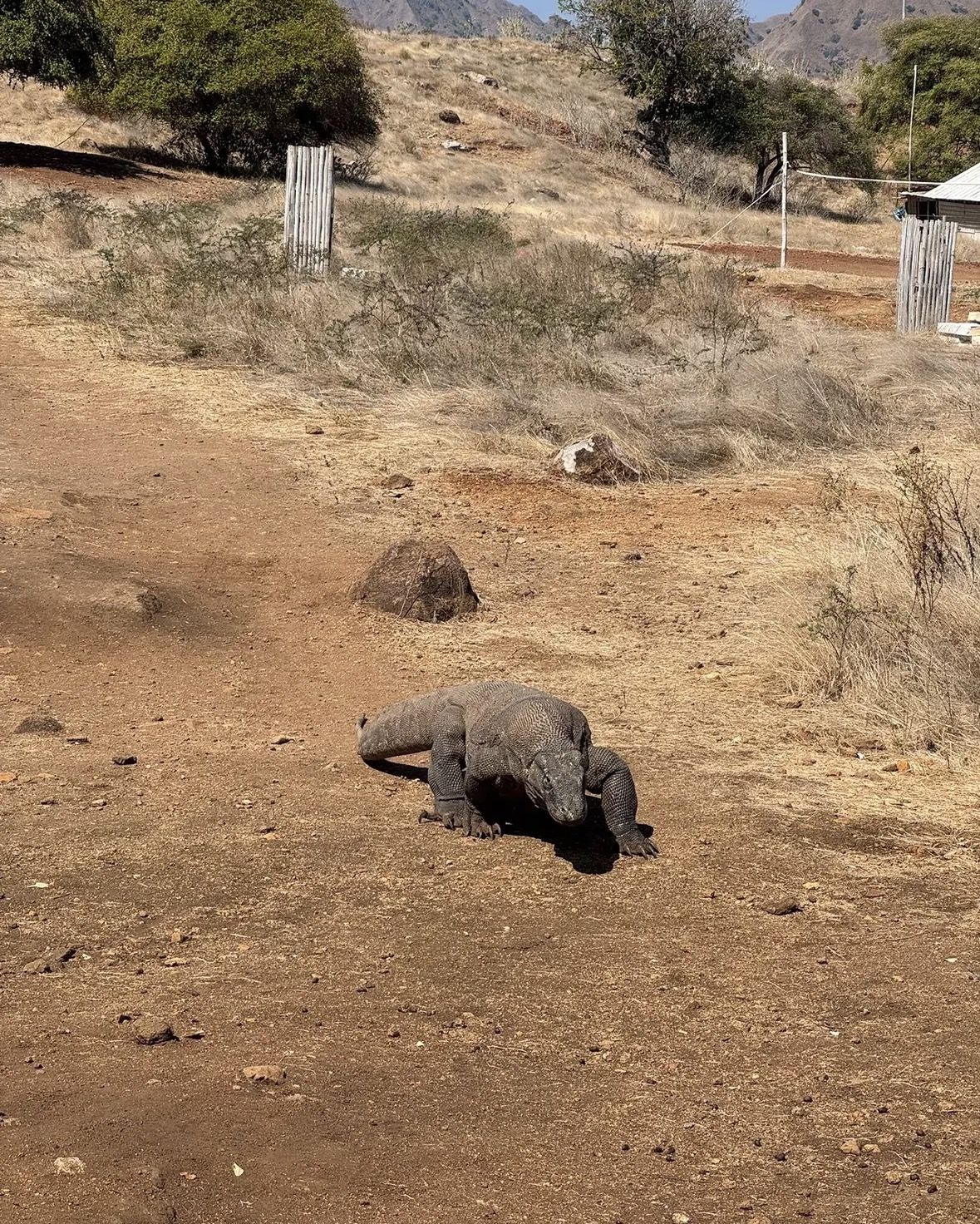
Komodo dragons can reach up to three metres in length and weigh over 70 kg, making them the heaviest lizards alive. They hunt deer and wild boar using venom-laced saliva and an acute sense of smell that detects blood from kilometres away.
Sea temperatures hover between 26°C and 30°C for most of the year, ideal for both coral growth and comfortable diving. Upwellings of cooler, nutrient-rich water in certain channels attract large pelagic species including whale sharks and manta rays.
The reefs here support more than 260 species of coral, forming dense gardens that shelter an extraordinary range of invertebrates and fish. Several sites, including Batu Bolong, are considered among the most biodiverse coral reef ecosystems ever measured.
Seventy-two bird species inhabit the islands, including the rare yellow-crested cockatoo and the orange-footed scrubfowl. Several species are endemic to the Lesser Sunda Islands and can be spotted during morning treks on Komodo and Rinca.
Pink Beach — one of only seven naturally pink-sand beaches in the world — gets its blush hue from fragments of red coral mixed with white sand. Snorkeling directly from shore reveals a vivid reef within just a few fin strokes of the waterline.
Strong tidal currents are the engine behind the park's marine richness, funnelling plankton through narrow channels and feeding vast aggregations of fish. Experienced divers embrace these conditions; many sites are best visited on drift dives that feel like flying through an aquarium.
Komodo national park diving is renowned globally for density and diversity — sites like Crystal Rock, Castle Rock, and Manta Alley deliver encounters with reef sharks, Napoleon wrasse, and oceanic mantas in a single dive. Both beginner-friendly sheltered bays and adrenaline-pumping current dives are available, making it suitable for all certification levels.
You don't need a tank to witness the underwater magic here. Komodo national park snorkeling at Pink Beach, Kanawa Island, and Taka Makassar — a shifting sandbar surrounded by clear water — offers sea turtles, reef fish, and healthy hard corals accessible from the surface. Most boat tours include at least one snorkel stop.
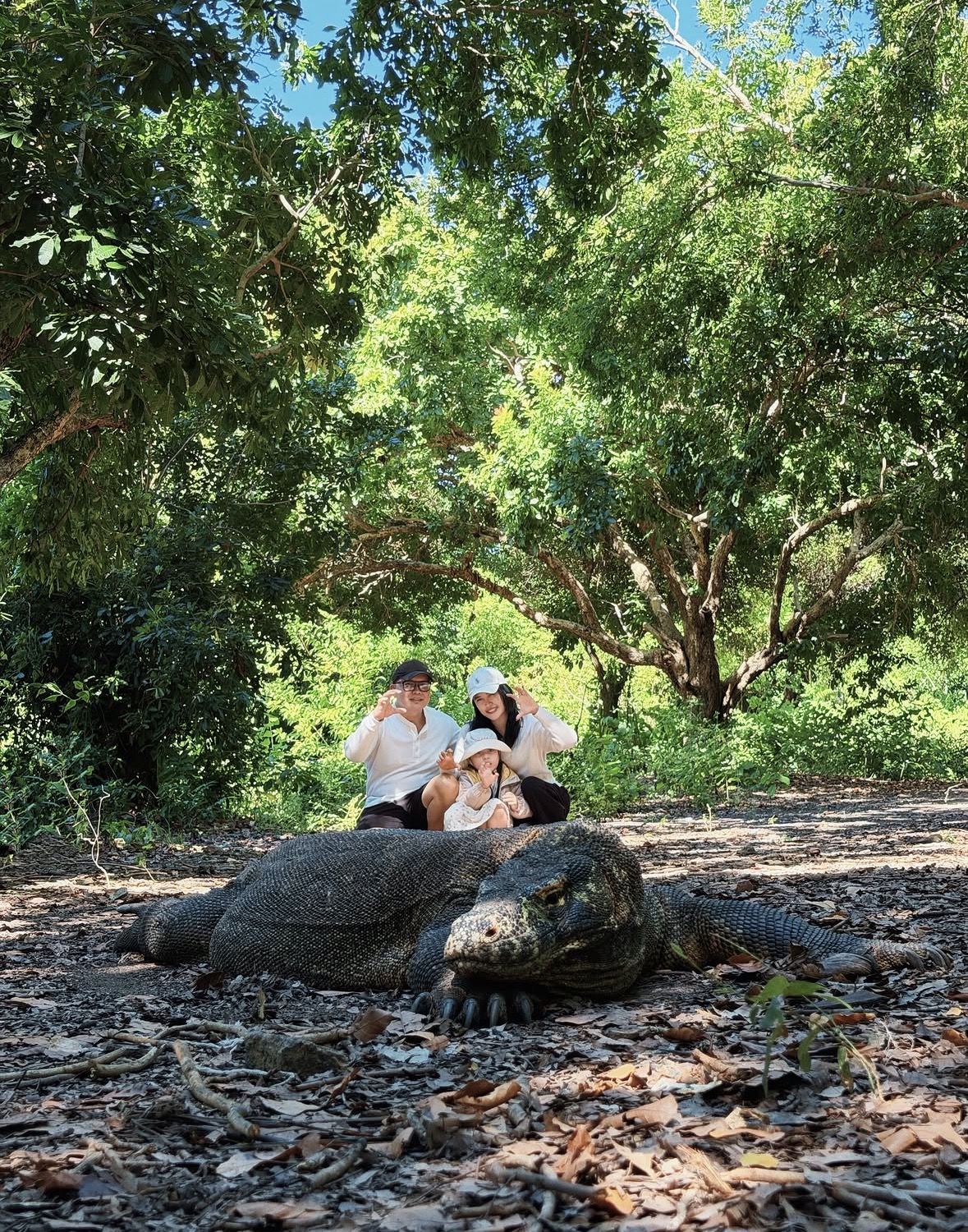
Ranger-led hikes on Rinca and Komodo Island bring visitors into the dragons' natural territory along well-maintained trails through savannah and forest. Rinca is often preferred for reliable sightings close to the ranger station, while Komodo Island offers longer wilderness routes and a greater sense of remoteness.
A komodo national park boat tour is the backbone of any visit, connecting the park's highlights in a single seamless journey. Day trips from Labuan Bajo or multi-day liveaboards allow you to mix dragon encounters, snorkel sessions, and scenic hikes at a pace that suits you.
The 45-minute climb to Padar's summit ridge is one of Indonesia's most photographed experiences, revealing a panorama of three bays each tinted a different colour — black, white, and pink. Setting off before dawn ensures you arrive at the top in time for a sunrise that turns the volcanic slopes gold.
A cruise komodo national park style — aboard a traditional phinisi wooden schooner or modern liveaboard — is the ultimate way to go deeper and stay longer. Multi-day itineraries reach remote dive sites inaccessible to day-trip boats, and nights anchored in silent bays under a canopy of stars are an experience in themselves.
Weighing your options for a wildlife-meets-ocean adventure? Here's how this park stacks up against other top natural destinations in the region.
Choosing a bucket-list nature destination often means trading off between wildlife drama, underwater wonder, crowd levels, and cost. Komodo National Park sits at a rare intersection of all four, but travellers sometimes weigh it against equally iconic spots before committing. This table distils the key differences so you can quickly see which destination best matches your priorities — whether you're after the most diverse marine life, the most exclusive experience, or simply the most accessible option.
| Crowds | Price | Best For | What Sets It Apart | |
|---|---|---|---|---|
| ★ Komodo National Park | Moderate — manageable outside peak season | Mid–High (liveaboards add up) | Divers, wildlife lovers, adventure seekers | Only place on Earth to see Komodo dragons alongside world-class coral reefs |
| Raja Ampat, Indonesia | Low — remote and exclusive | High to Very High | Hardcore divers seeking maximum biodiversity | Highest recorded marine biodiversity on the planet; no megafauna on land |
| Palawan, Philippines | High in peak season (Coron, El Nido) | Low–Mid; very budget-friendly | Backpackers, snorkelers, island-hoppers | Stunning limestone karsts and lagoons; less dramatic currents and wildlife |
| Galápagos Islands, Ecuador | Strictly controlled; small group sizes | Very High — one of the priciest eco-trips | Wildlife purists and conservation-minded travellers | Extraordinary endemism and fearless animals; no tropical coral reef diving |
What makes Komodo National Park truly singular is the combination: nowhere else can you observe a prehistoric apex predator on land in the morning and drift over manta-filled pinnacles in the afternoon. Raja Ampat edges it underwater, Palawan undercuts it on price, and the Galápagos rivals it for wildlife intimacy — but none of them deliver all three dimensions in one compact, accessible archipelago the way this destination does.
Travel Guide
Everything you need to know before you go — from catching your flight to staying safe on the trail.
The gateway to the park is Labuan Bajo, a small harbour town on the western tip of Flores island served by Komodo Airport (LBJ). Direct flights connect Labuan Bajo with Bali (Denpasar) in about 1 hour 15 minutes, and connections from Jakarta take around 3 hours with one stop. Airlines including Garuda Indonesia, Lion Air, and Batik Air operate the route daily. From Bali, the trip is straightforward and makes an excellent add-on to a broader Indonesian itinerary.
Once in Labuan Bajo, all access to the islands is by boat. The harbour is lined with operators offering day-trip speedboats, traditional wooden phinisi schooners, and fully equipped liveaboards for multi-day komodo national park cruises. Speedboats reach Rinca in about 1.5 hours and Komodo Island in roughly 2.5 hours. Slow boats are cheaper but add significant travel time. A park entry permit is required and is usually bundled into tour prices.
The dry season, running from April through October, is widely considered the best time to visit. Skies are clear, seas are calm, and visibility underwater often exceeds 20 metres. July and August are the busiest months but also the most reliable for comfortable boat travel. April–June and September–October offer the ideal balance of good weather and lighter crowds, making them the sweet spot for most travellers.
The wet season spans November to March, bringing heavier rainfall, rougher seas, and occasional boat cancellations. However, this period has its own appeal: the landscape greens up dramatically, prices drop, and certain dive sites — particularly Manta Alley — see heightened manta ray activity from December onward. Water temperatures remain warm year-round, and divers willing to manage choppier conditions can find excellent, uncrowded experiences during the shoulder months.
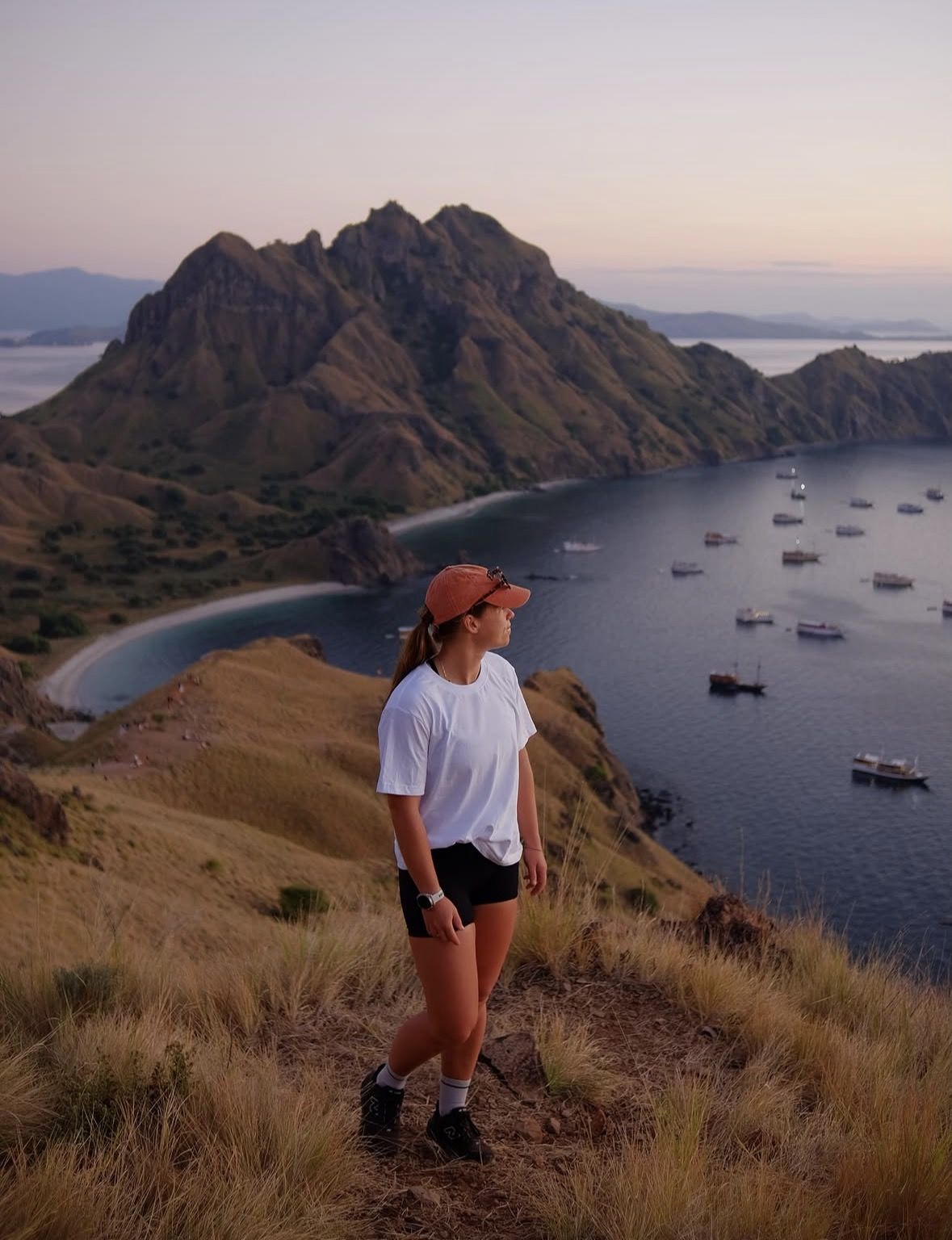
Packing light but smart is the key here. The terrain shifts from rocky volcanic trails to open ocean, so versatile, quick-dry gear is your best friend. Sun exposure is intense — UV index regularly hits 11+ — so robust sun protection is non-negotiable. If you plan to dive or snorkel, bringing your own mask and snorkel guarantees a perfect fit and avoids the hit-and-miss quality of rental equipment on smaller boats.
Footwear matters more than people expect: sturdy closed-toe shoes or trail sandals are required on dragon treks (rangers will turn you away in flip-flops). A lightweight rain jacket covers you during brief wet-season squalls and doubles as wind protection on fast speedboat crossings. Liveaboard passengers should bring a small dry bag for electronics, a torch or headlamp for night dives, and reef-safe sunscreen to protect the coral.
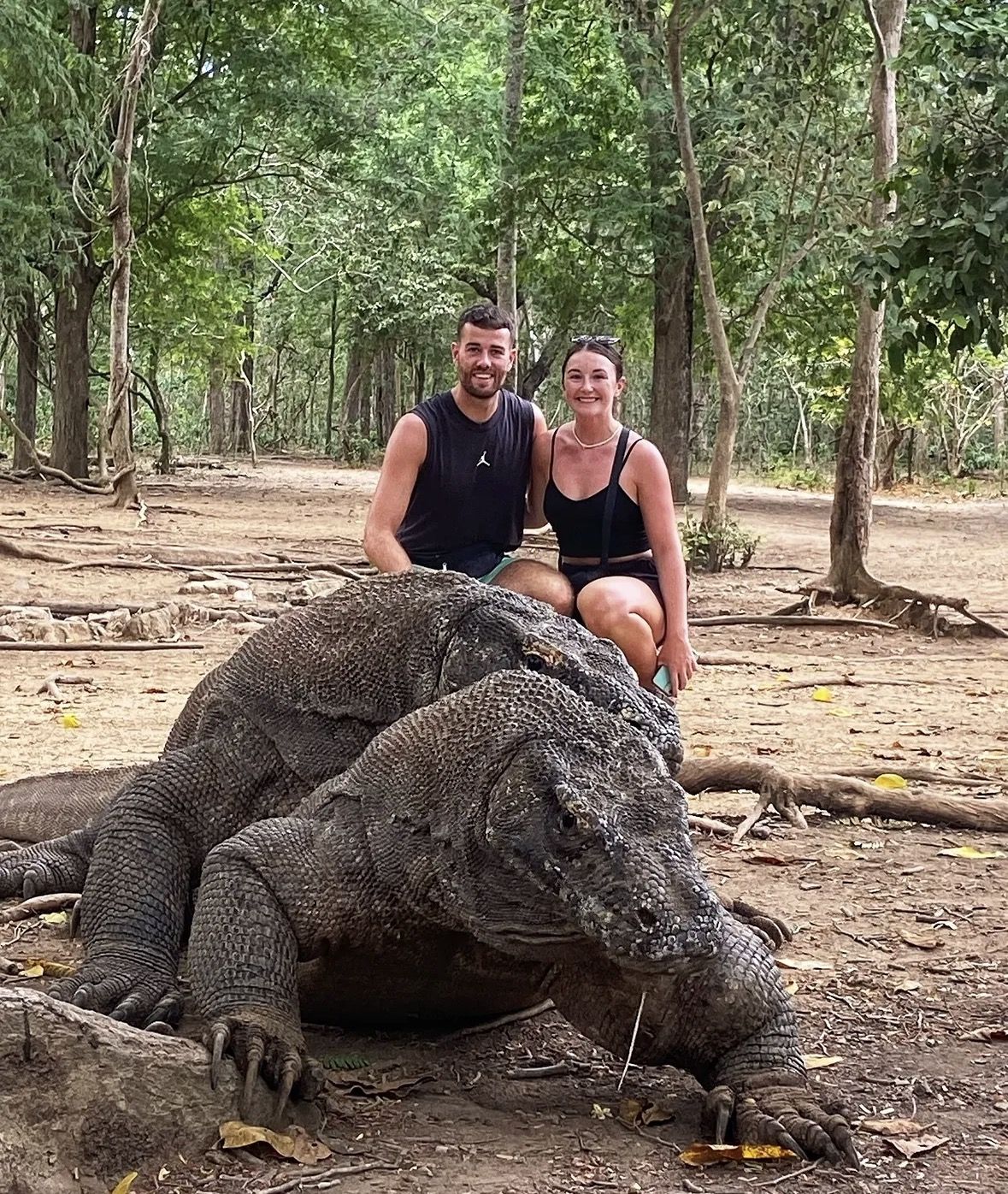
Most interactions in and around the park go through Labuan Bajo, a predominantly Muslim town where modest dress is appreciated when you're not at the beach. Greet locals with a smile and a simple 'selamat pagi' (good morning) — small courtesies go a long way. Tipping boat crew and rangers is customary and genuinely important; wages in the industry are low, and a tip of 50,000–100,000 IDR per person per day is welcomed.
Indonesian rupiah (IDR) is the only accepted currency in the park and across Labuan Bajo; carry cash as ATMs are limited and can run dry in peak season. Local warungs (small eateries) along the harbour serve fresh fish, nasi goreng, and cold Bintang beer at very reasonable prices — far better value than resort restaurants. Mobile data coverage is decent in Labuan Bajo but disappears entirely once you're out among the islands.
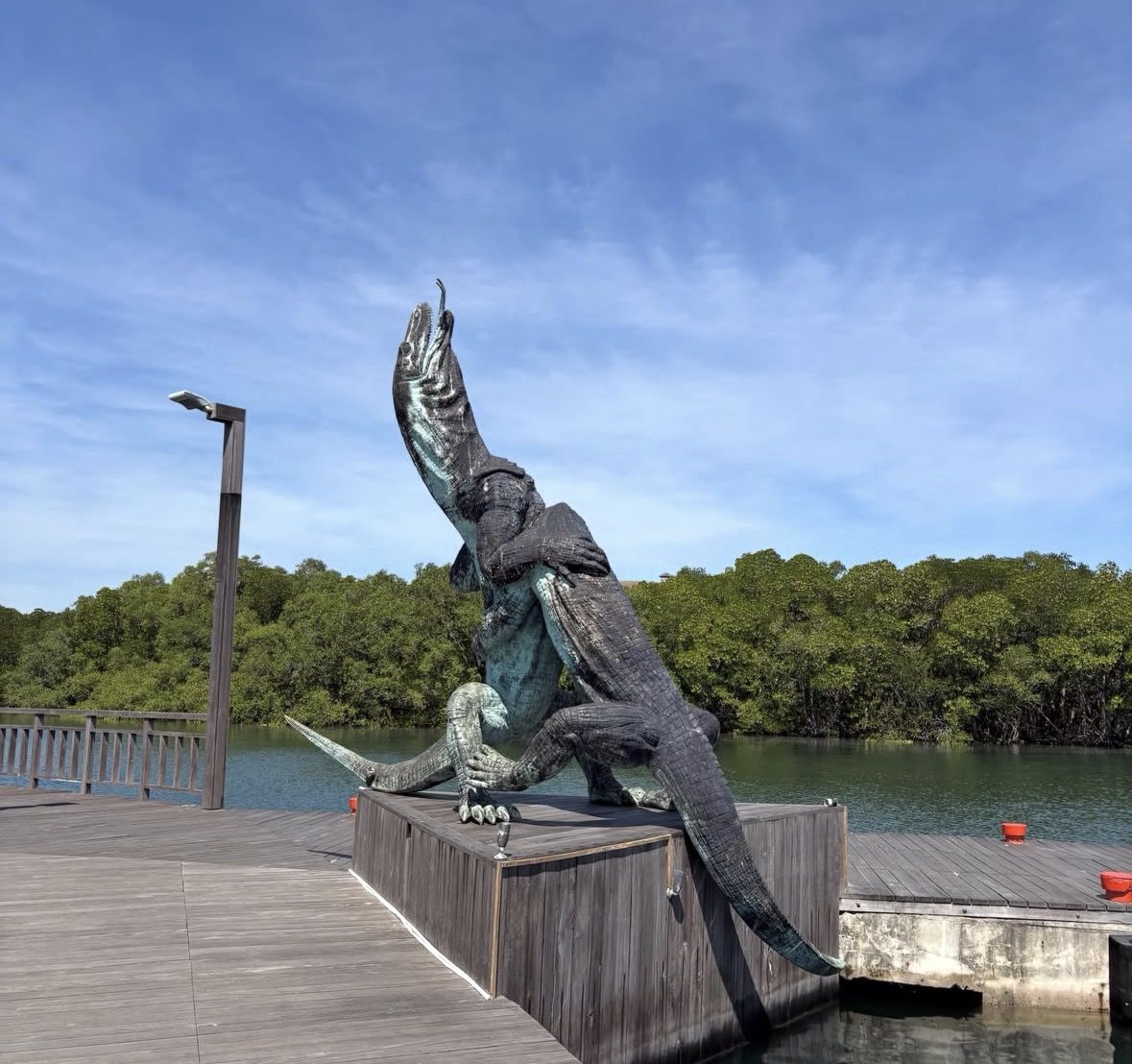
Consult a travel health clinic at least 6–8 weeks before departure. Recommended vaccinations for this region include Hepatitis A and B, typhoid, tetanus, and a rabies pre-exposure course if you plan extended wildlife contact. Malaria prophylaxis is advised for Flores and the surrounding islands — discuss options with your doctor as regimens vary. Dengue fever is present year-round; mosquito repellent containing DEET is your primary defence.
The nearest hospital with adequate facilities is in Labuan Bajo; serious medical cases are evacuated to Bali or Makassar. Comprehensive travel insurance that covers emergency medical evacuation by sea or air is not optional — it is essential. On the water, always wear a life jacket during crossings, heed captain advisories about sea conditions, and never swim alone in channels where currents can be dangerously strong.
Explore More
Extend your Indonesian adventure by exploring these remarkable destinations within reach of Labuan Bajo.
The Early Morning Group Speedboat Tour to Komodo National Park is designed for travelers who want to experience one of Indonesia's greatest natural wonders without the midday rush.
Check this tour →The Exclusive Early Bird Komodo Tour: Beat the Crowds by Speed Boat is designed for travelers who want to see the best of the park before the rush begins.
Check this tour →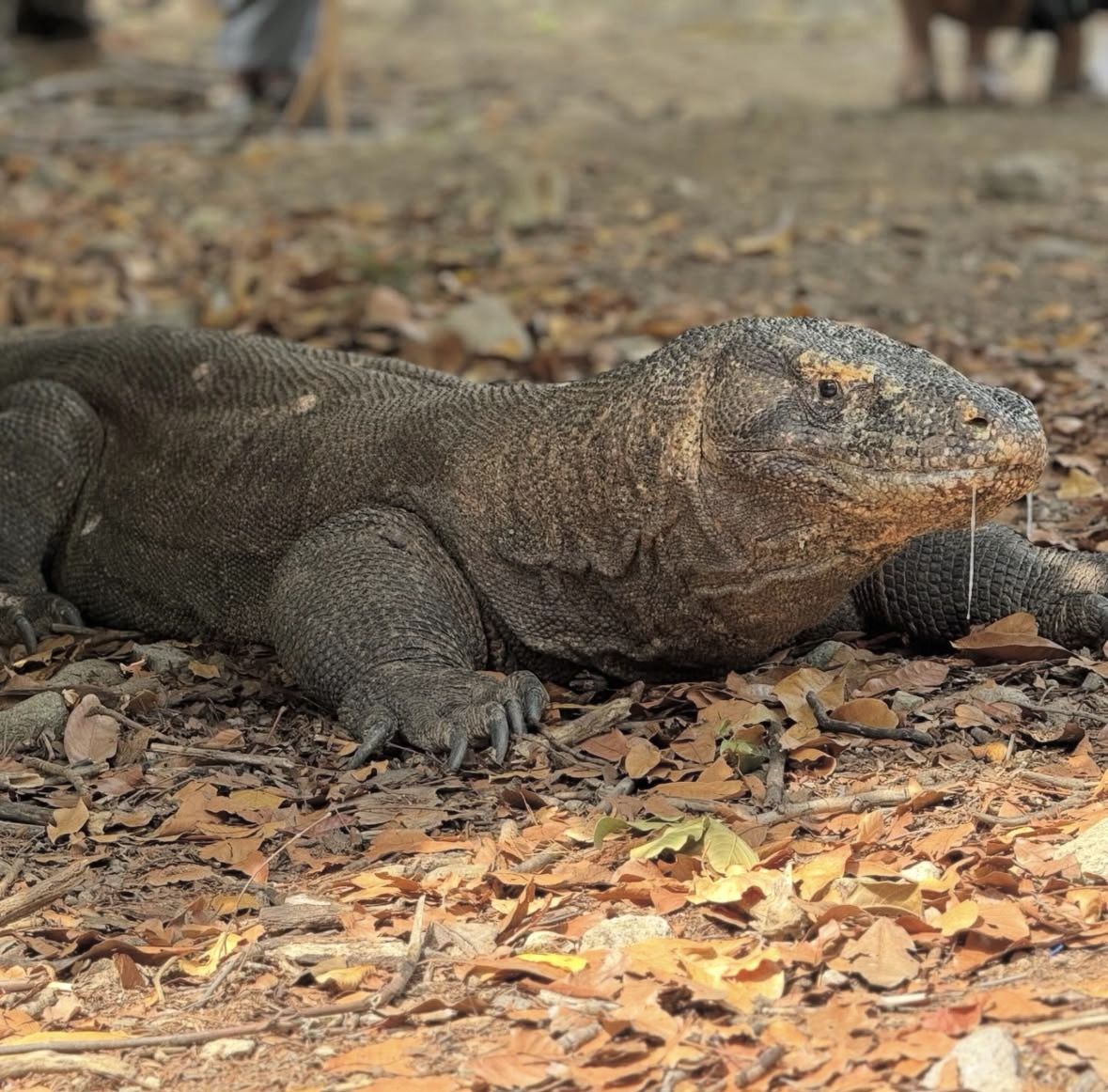
The Full Day Komodo Tour With Hey Bali Info Visit 6 Spot is the ultimate way to experience the archipelago's greatest highlights without missing a thing.
Check this tour →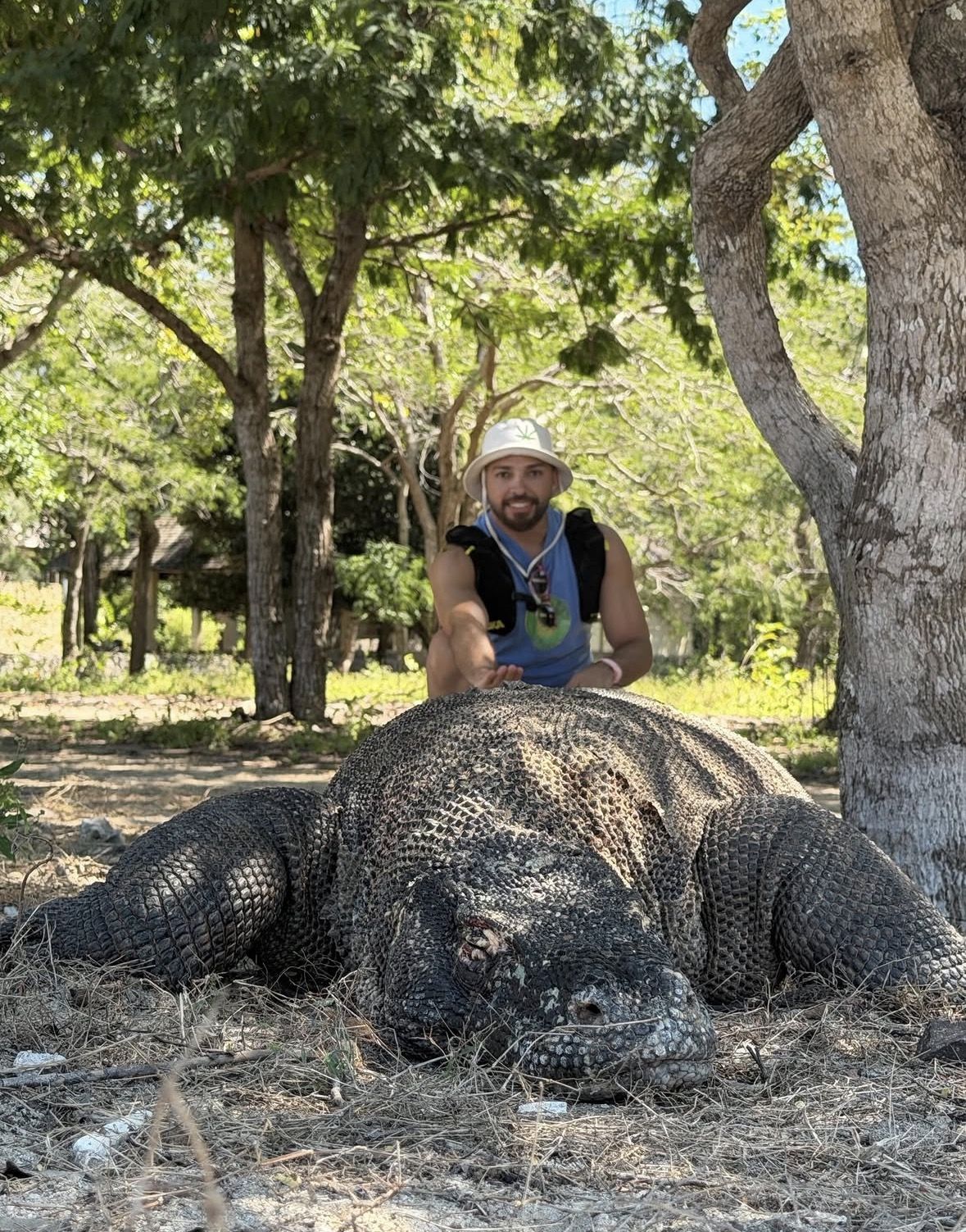
The Komodo National Park Tickets and Entry Permit is the stress-free way to guarantee your access to one of Indonesia's most iconic wilderness areas.
Check this tour →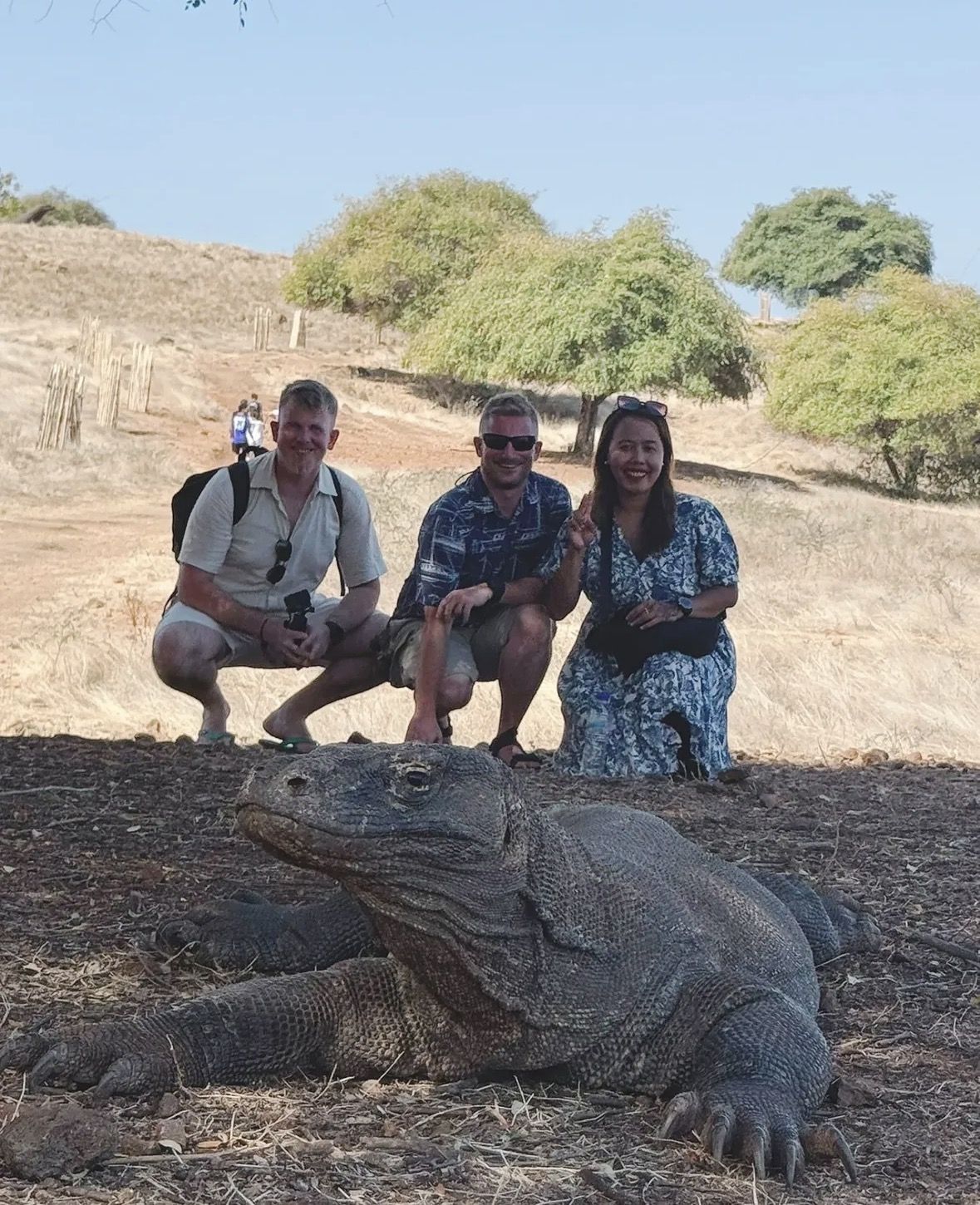
A Day to Komodo Island is your passport to the very best of this UNESCO-protected archipelago.
Check this tour →Traveler Reviews
Discover what adventurers from around the world are saying about their unforgettable experiences at Komodo National Park.
"Absolutely the most breathtaking destination I have ever visited. The boat tour took us across shimmering turquoise waters to Padar Island, where the panoramic views left us completely speechless. Snorkeling near Pink Beach revealed an underwater world so vibrant it felt almost unreal — I counted dozens of reef fish species in under an hour. If you are even remotely curious about nature, this place will change your life."
"We booked a three-day liveaboard cruise and it was hands down the best travel decision we have ever made as a couple. Waking up to manta rays gliding beneath the boat before breakfast is the kind of memory that simply cannot be replicated anywhere else. The dive sites around Batu Bolong and Crystal Rock were world-class — visibility was exceptional and the current brought in incredible marine life. Our guide was knowledgeable, safety-conscious, and genuinely passionate about conservation."
"A truly remarkable destination that exceeded almost every expectation I had going in. The Komodo dragons on Rinca Island were awe-inspiring — far larger than photos suggest, and watching them move through the dry savanna felt prehistoric. The snorkeling just off the ranger station dock was surprisingly excellent too. I docked one star only because the park entrance fees have risen significantly, so budget accordingly."
"I have dived in the Maldives, Raja Ampat, and the Great Barrier Reef, and I can honestly say the diving here ranks right up there with the very best. The sheer variety of macro life, schooling fish, and large pelagics all in one compact area is extraordinary. Our day boat tour was well-organised, with a talented crew who knew exactly where the mantas congregate. Do not miss the sunset from Padar — it is the most dramatic landscape I have ever seen."
"We chose a small-group cruise and it was absolutely perfect for experiencing the islands without the crowds. Every morning we anchored at a different bay, and every afternoon brought a new adventure — whether trekking, swimming, or simply watching dolphins play off the bow. The crew prepared fresh Indonesian meals on board that were genuinely delicious. This is the kind of trip that spoils you for ordinary holidays forever."
"A stunning place that every nature lover should put on their bucket list without hesitation. The snorkeling near Kanawa Island was excellent, with healthy coral gardens and sea turtles drifting lazily past us. Trekking on Komodo Island itself was hot and demanding, but seeing a massive dragon resting under a tree made every sweaty step worth it. The only minor issue was that peak season felt a little crowded at the most popular viewpoints."
"From the moment we left Labuan Bajo harbour, this trip was pure magic. Our guide explained the fascinating ecology of the islands and clearly cared deeply about protecting the wildlife and reefs. The komodo dragon tracking on Rinca was thrilling and responsibly managed by the rangers on site. I have already recommended this destination to every friend I own a passport."
"Few places on earth match the combination of extraordinary wildlife, pristine reefs, and jaw-dropping scenery that you find here. We opted for the overnight boat tour, which gave us early morning access to sites before the day trippers arrived — a total game changer. Pink Beach at sunrise with no one else around is a travel memory I will carry for the rest of my life. The staff on board were warm, professional, and made the whole experience feel effortless."
Watch Before You Go
From dragon encounters on sun-baked trails to manta rays gliding through electric-blue water, this video captures why travellers call it a life-changing destination.
Location
Komodo National Park is located in the Sape Strait between the islands of Sumbawa and Flores, in East Nusa Tenggara province, Indonesia — accessed via Labuan Bajo, Flores.
FAQ
Everything you need to know before planning your visit to one of Indonesia's most iconic natural wonders.
Ready to meet the dragons and dive the reefs yourself?
Book Your TourDiscover More
What began in 1980 as a last-ditch effort to protect a population of giant lizards has evolved into one of the world's most celebrated combined land-and-sea conservation areas. The journey from colonial curiosity to global icon spans a century of exploration, scientific discovery, and hard-won preservation battles.