Hidden within the Lesser Sunda Islands of eastern Indonesia lies a living relic of the prehistoric world, where the planet's largest lizards have ruled for millions of years. Komodo National Park is not merely a protected wilderness — it is a window into deep geological time and one of humanity's most dramatic conservation stories.
The islands that form Komodo National Park — Komodo, Rinca, Padar, and dozens of smaller islets — emerged from violent volcanic and tectonic activity along the Sunda Arc millions of years ago. Situated between the larger islands of Sumbawa and Flores in the East Nusa Tenggara province of Indonesia, this archipelago straddles the Wallace Line, the famous biogeographical boundary identified by naturalist Alfred Russel Wallace in the 1850s. This invisible frontier separates Asian and Australasian fauna, making the region one of the most biologically distinct zones on Earth. The Komodo dragon itself, Varanus komodoensis, is believed to have evolved in Australia before migrating westward as sea levels fluctuated during the Pleistocene epoch.
Fossil evidence suggests that Komodo dragons have inhabited the Indonesian archipelago for at least four million years, with ancestors traceable to Australia roughly 40 million years ago. Their isolation on these rugged volcanic islands allowed them to survive as a relict population long after megafauna disappeared elsewhere. Local Ata Modo people had lived alongside the dragons on Komodo Island for generations, weaving the creatures into oral traditions and folklore that portrayed them with a mixture of reverence and fear. These indigenous inhabitants called the dragon ora, and their coexistence with the species — largely cautious and respectful — shaped a unique cultural relationship that predates Western scientific knowledge of the animal by centuries.

Western science did not formally acknowledge the Komodo dragon's existence until 1910, when Dutch colonial officer Lieutenant Jacques Karel Henri van Steyn van Hensbroek heard sailors' tales of a buaya darat, meaning land crocodile, on Komodo Island. Intrigued, he mounted an expedition and returned with a skin and photographs that were sent to zoologist Peter Ouwens at the Buitenzorg Botanical Garden in Java. Ouwens published the first scientific description of Varanus komodoensis in 1912, introducing the species to the world. The discovery sent shockwaves through the international scientific community and sparked immediate fascination — here was a genuine living dragon, a creature that seemed to belong more to mythology than to the modern natural world.
The revelation triggered a wave of expeditions and, unfortunately, hunting. Collectors and trophy hunters descended on the islands during the 1920s and 1930s, capturing or killing dragons for zoos and private collections. The American Museum of Natural History dispatched W. Douglas Burden on an expedition in 1926, during which he collected twelve specimens. Burden's encounter reportedly inspired Merian C. Cooper to create the iconic film King Kong in 1933, cementing the Komodo dragon's place in popular culture. Alarmed by the rapid depletion of the population, the Dutch colonial government issued the first legal protection for the species in 1915, making the Komodo dragon one of the earliest animals in the region to receive formal conservation status.
Beyond their fearsome reputation, Komodo dragons are remarkable biological phenomena. Adults can reach lengths of three metres and weigh over 70 kilograms, making them the world's heaviest lizard. For decades, scientists believed their deadly bite was solely the result of bacteria-laden saliva, but groundbreaking research published in 2009 by Bryan Fry of the University of Melbourne confirmed that dragons possess venom glands capable of inducing anticoagulation and shock in prey. They are also capable of parthenogenesis — females can reproduce without fertilisation — a fact documented at Chester Zoo in 2006 and confirmed subsequently in wild populations. These extraordinary adaptations have made the species a subject of ongoing scientific research and global fascination.
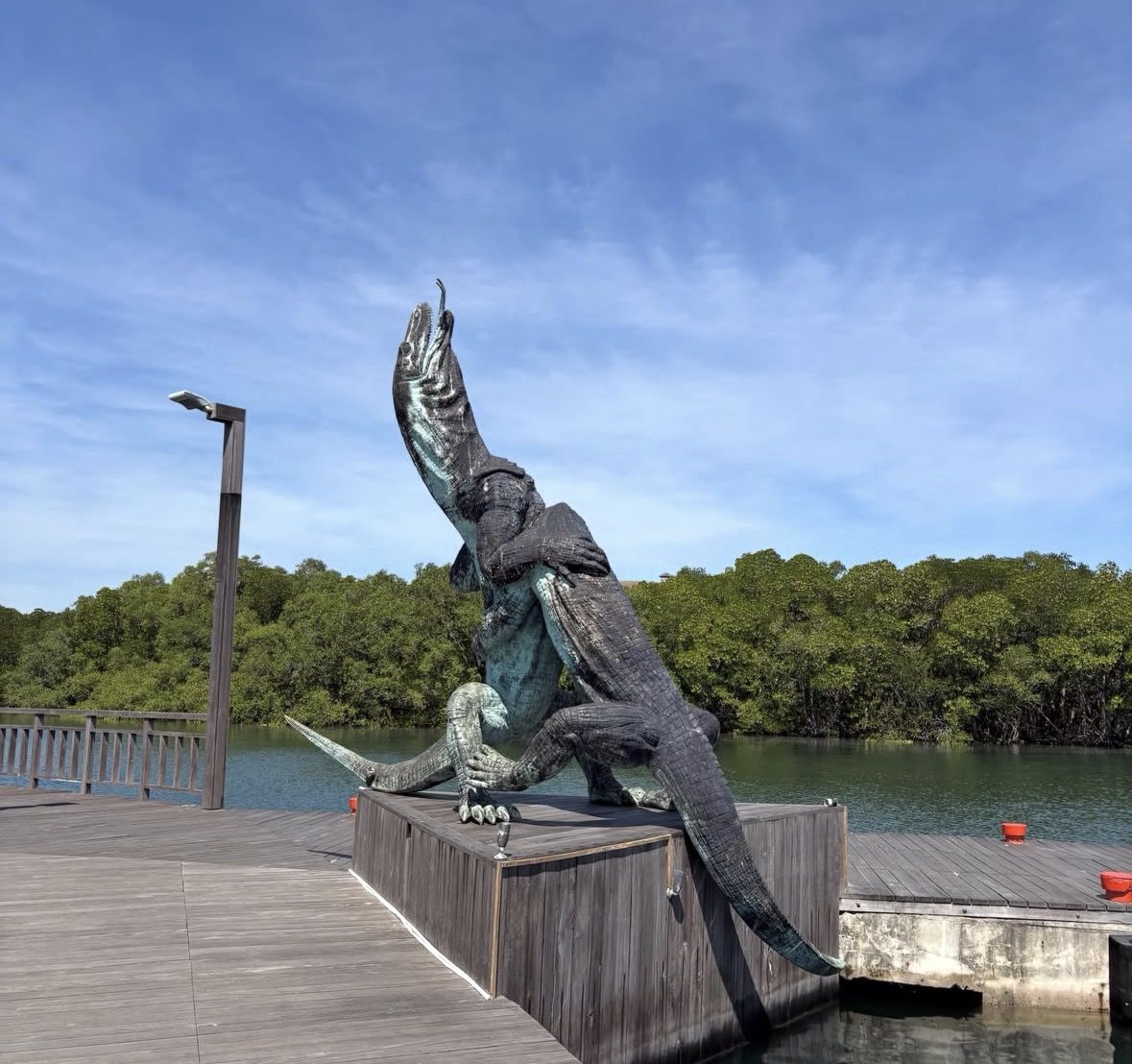
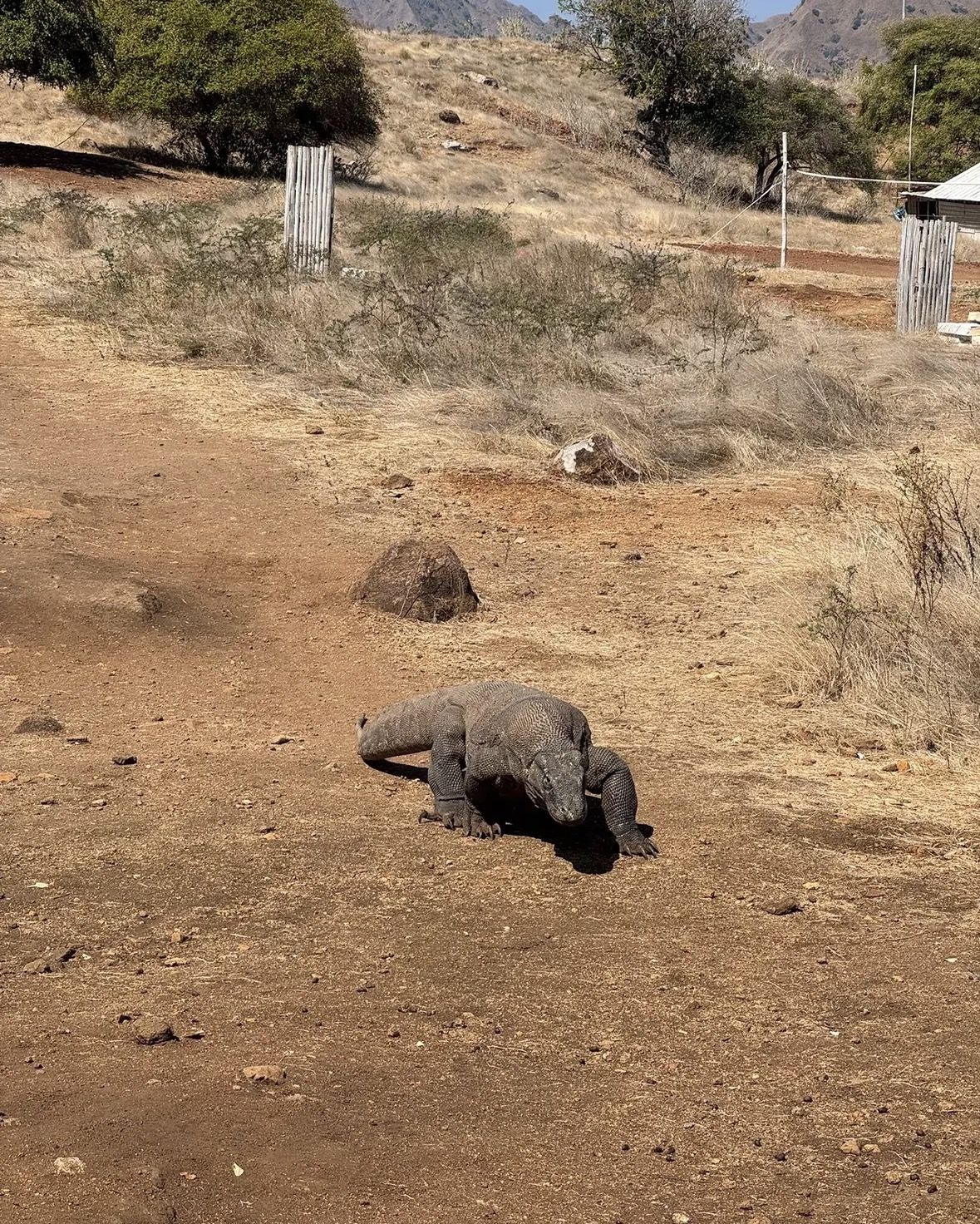
Komodo National Park was officially established by the Indonesian government in 1980, initially to protect the iconic Komodo dragon and its fragile island habitat. The park's founding represented a pivotal moment in Indonesian conservation history, reflecting growing international awareness of the species' vulnerability and the uniqueness of its ecosystem. Just three years later, in 1986, UNESCO designated the park a Biosphere Reserve, recognising both its extraordinary biodiversity and the need for sustainable management practices. Then in 1991, the park received its most prestigious international honour: inscription on the UNESCO World Heritage List, acknowledged for its outstanding universal value across both natural heritage criteria — biological diversity and geological significance alike.
The park's marine environment proved to be as remarkable as its terrestrial landscape. Lying within the Coral Triangle — the global epicentre of marine biodiversity — Komodo's waters host over 1,000 species of fish, 260 species of reef-building coral, dugongs, dolphins, whales, and several species of sea turtle. The convergence of nutrient-rich cold-water upwellings from the Indian Ocean and warmer Flores Sea currents creates conditions that support an astonishing density of marine life. Manta rays gather in predictable seasonal aggregations, and the dive sites around Komodo — including the notoriously powerful currents of sites like Batu Bolong and Crystal Rock — are now considered among the finest in the world, drawing thousands of divers annually.
Not all chapters of the park's modern history have been straightforward. In 2019, park authorities announced a controversial plan to close Komodo Island entirely to tourists for a full year to allow ecological recovery and implement a new conservation framework. The proposal generated fierce debate between conservationists, local communities, and the tourism industry before being modified. Ongoing challenges include illegal fishing within protected marine boundaries, the poaching of deer — the dragons' primary prey species — and the pressures of rapidly growing visitor numbers, which exceeded 176,000 in peak years. Indonesian authorities have responded by upgrading ranger infrastructure, increasing patrol vessels, and partnering with international NGOs to strengthen long-term stewardship of this irreplaceable ecosystem.
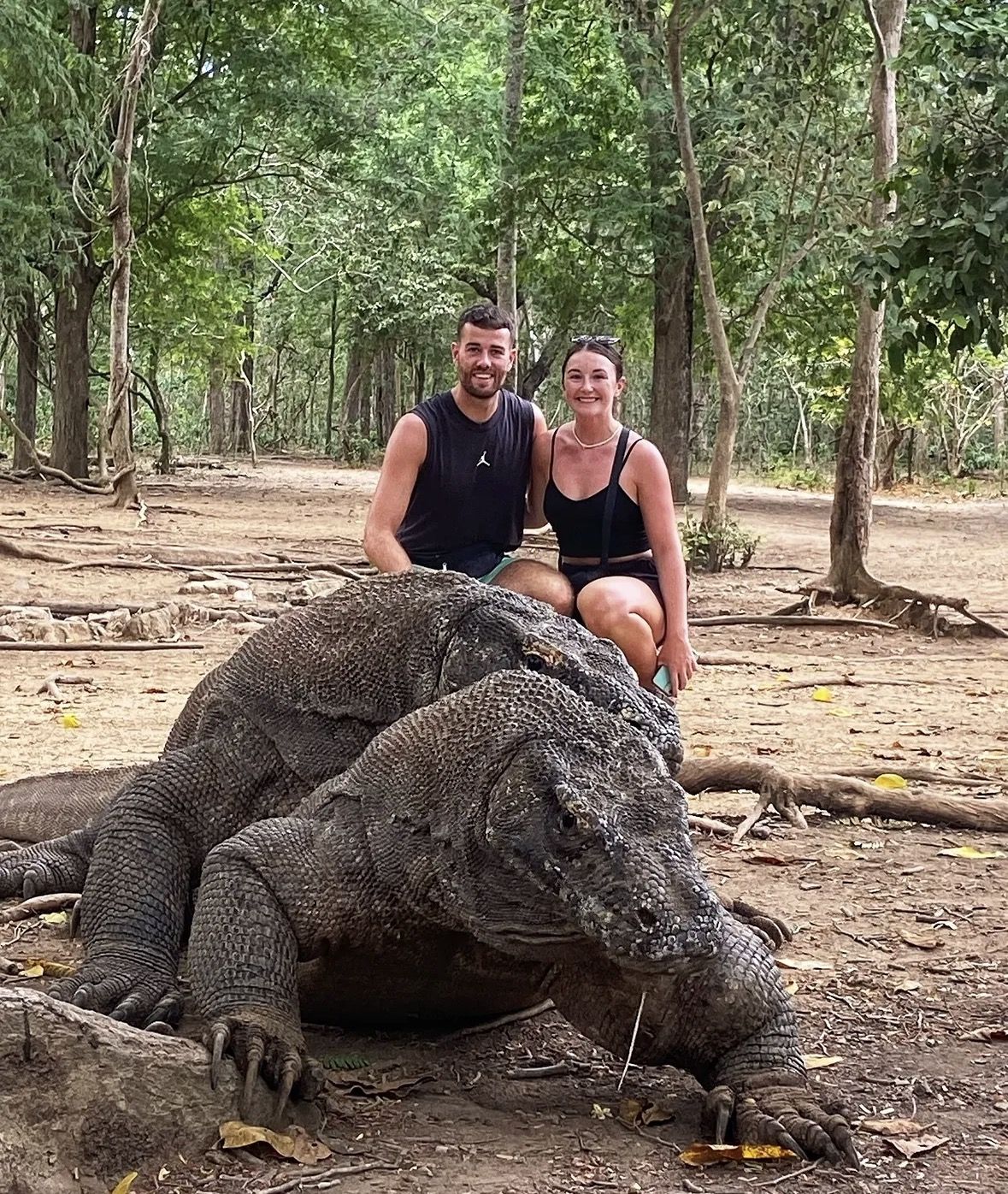
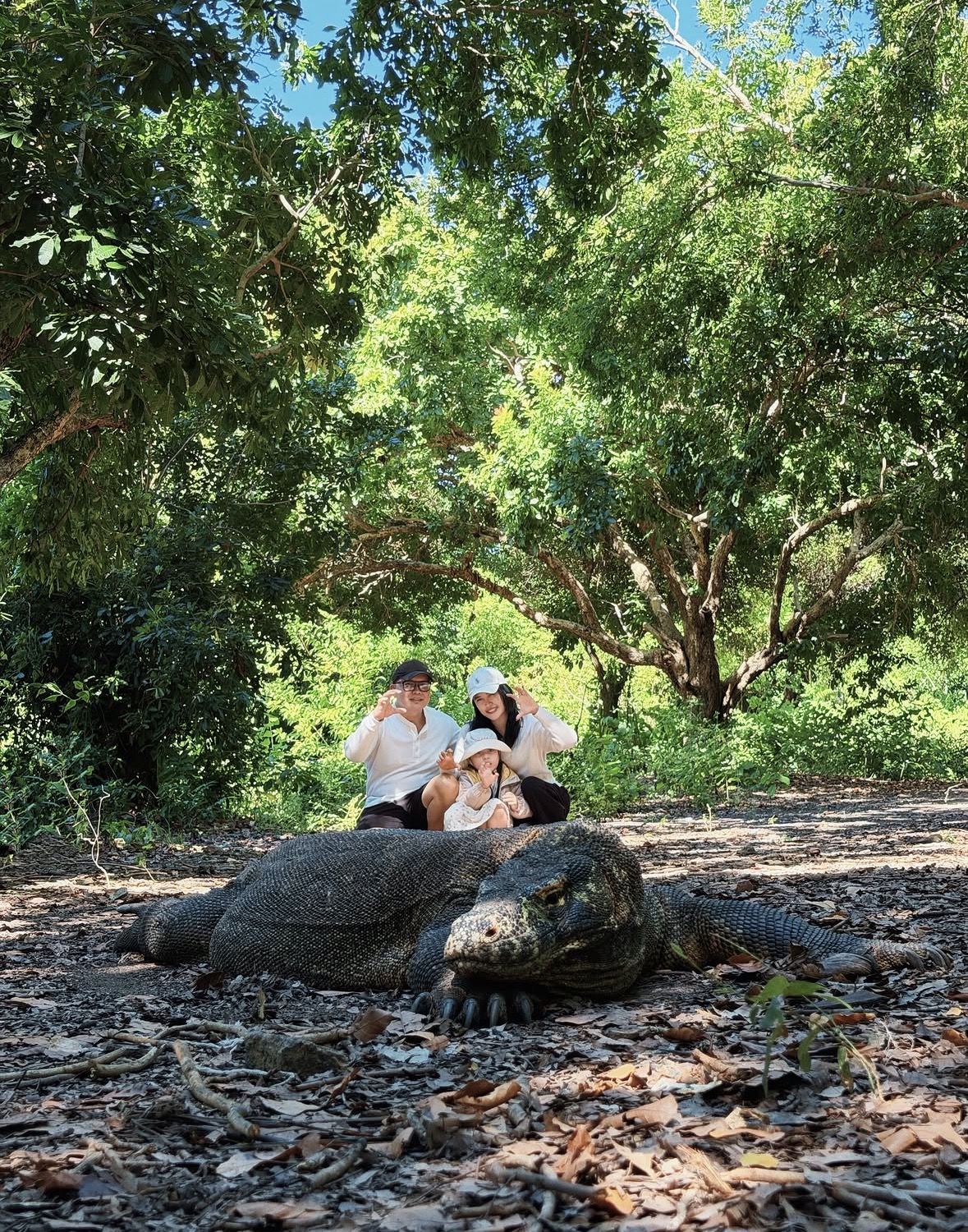
Today, Komodo National Park stands as one of Southeast Asia's most iconic and visited natural destinations, accessible primarily via the gateway towns of Labuan Bajo on Flores — now served by an upgraded international airport — and Bima on Sumbawa. Visitors arrive by liveaboard vessel or day-trip boat to trek the scorched savannah hillsides of Komodo and Rinca islands under the guidance of trained park rangers, encountering Komodo dragons in their natural habitat with an immediacy that no zoo can replicate. Padar Island's dramatic three-bay viewpoint has become one of Indonesia's most photographed landscapes, while the park's pink-sand beaches at Pantai Merah offer surreal beauty unique to volcanic mineral deposits in the surrounding shoreline.
The experience of Komodo National Park today is one of profound temporal dislocation — the sensation of standing in a landscape that evolution seems to have left deliberately unfinished. Whether you are watching a three-metre dragon stalk silently through dry grassland, drifting weightless above a coral wall teeming with life, or watching the sun sink behind jagged volcanic ridges from the deck of a wooden phinisi schooner, the park delivers something increasingly rare in modern travel: authentic, unhurried wildness. Conservation fees and visitor contributions now directly fund ranger salaries and community programmes, meaning every traveller plays a part in preserving this wonder for future generations. Come, and let the dragons write your next great adventure.
Ready to Experience It Yourself?
Guided tours and liveaboard expeditions into Komodo National Park are in high demand year-round, with the best vessels and departure dates filling months in advance. Whether you are planning a land-based trekking experience, a multi-day diving safari, or a private island-hopping itinerary, our trusted tour partners offer handpicked options to suit every style and budget. Browse our curated selection of Komodo tours today and secure your place in one of the world's last truly wild places.
Book Your Tour Now